
Central Europe’s Solar Surge: Lessons in Agility and Data-Driven Growth
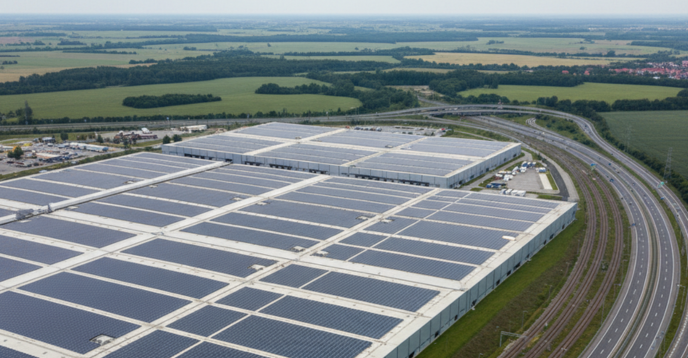
Central Europe Defies the Odds with Solar Growth
Over the past five years, Central Europe has transformed from a coal-reliant region into one of the fastest-growing solar power hubs on the continent. Countries like Hungary, Poland, Czechia, and Slovakia have more than quintupled their solar generation—outpacing the EU average growth rate by twofold.
This shift comes despite below-average GDP levels, modest solar irradiance, and persistent policy barriers. Hungary, for example, saw solar contributing nearly 25% of its electricity mix in 2024, a figure few anticipated just a few years ago. Meanwhile, Czechia has doubled its solar output since 2019 and took a pioneering step in legalizing agri-PV.
A Data-Driven Transformation Rooted in Policy and Flexibility
Batteries and Flexibility: The Next Frontier
A core takeaway from recent analysis is the region’s growing role as a battery hub. With Hungary and Poland ranking among the world’s top battery exporters, their next challenge is not production—but deployment. Poland, for instance, has one of the EU’s largest grid-scale battery pipelines, indicating a strong push toward energy storage and grid flexibility.
While these advancements are crucial, they expose the need for integrated asset intelligence. Operators can’t afford fragmented visibility across their portfolios, especially as storage and generation assets become increasingly interconnected.
From Visibility to Operational Foresight
As solar penetration deepens, visibility alone is no longer sufficient. Operators must contend with increasingly dynamic generation patterns, evolving grid constraints, and growing expectations for performance transparency. This raises the bar for how data is collected, contextualized, and acted upon. More than raw measurements, the real value lies in drawing correlations—between irradiance and inverter output, between asset availability and weather anomalies, or between historical trends and emerging failures. This shift toward operational foresight is what allows technical teams to move from reactive to preventive strategies, reducing downtime and improving energy yield consistency.
What This Means for Renewable Energy Operators
For performance engineers and data analysts managing solar assets, Central Europe's case underscores two strategic imperatives: granular visibility and actionable analytics.
For performance engineers and data analysts managing solar assets, Central Europe's case highlights the increasing need for accurate visibility and reliable analytics. With the growing complexity of solar portfolios—including storage, curtailment events, and performance variability—robust monitoring tools and data infrastructure have become essential. Solutions that integrate SCADA data with customizable dashboards, automated reporting, and failure analysis support more informed operational decisions and long-term planning.
Sustaining Growth Requires Intelligent Infrastructure
Central Europe’s solar ascent shows what’s possible when policy, technology, and ambition align. But to sustain this momentum—and overcome the emerging complexity of hybrid portfolios—renewable operators must go beyond traditional monitoring.
Investing in intelligent, multi-technology platforms is not just a smart choice—it’s a strategic necessity. For regions betting on solar, the next wave of growth won’t come from panels alone, but from how well we understand, manage, and predict their performance in a dynamic energy landscape.
Book a meeting
Let's connect and forge new partnerships

.png)
Custom Renewable Energy Solutions
Contact us today and join global operators who recovered up to 10% revenue and cut downtime by 18%