
Damage Detection in LSS (Slow Speed) Bearings Prevents Emergency Shutdown in Acciona WTG Model
Context
At one of our customers' wind farms, an Acciona AW125 WTG model was apparently operating within SCADA safety limits. However, predictive analyses initiated in August 2025 indicated a subtle change in the asset's thermal behavior.
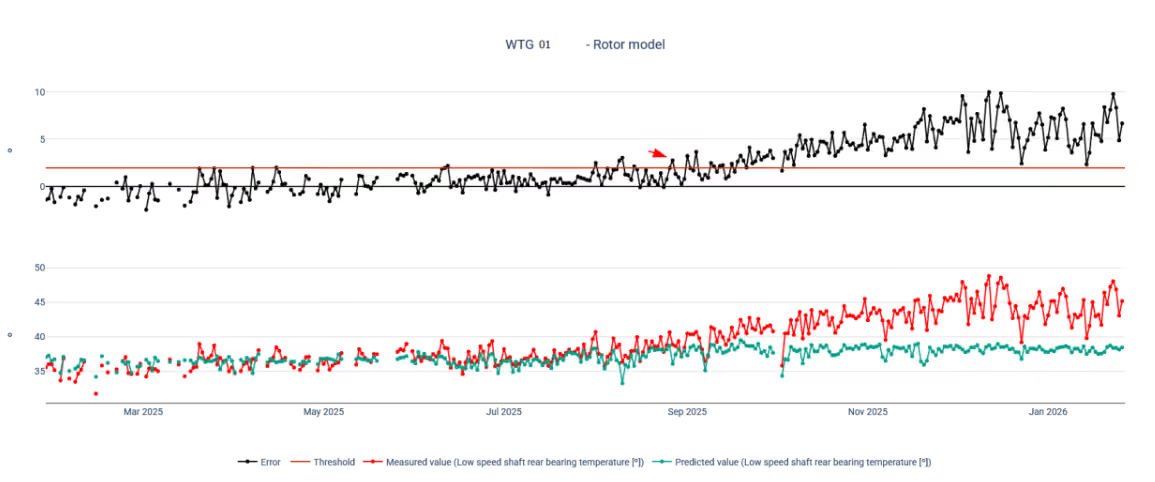
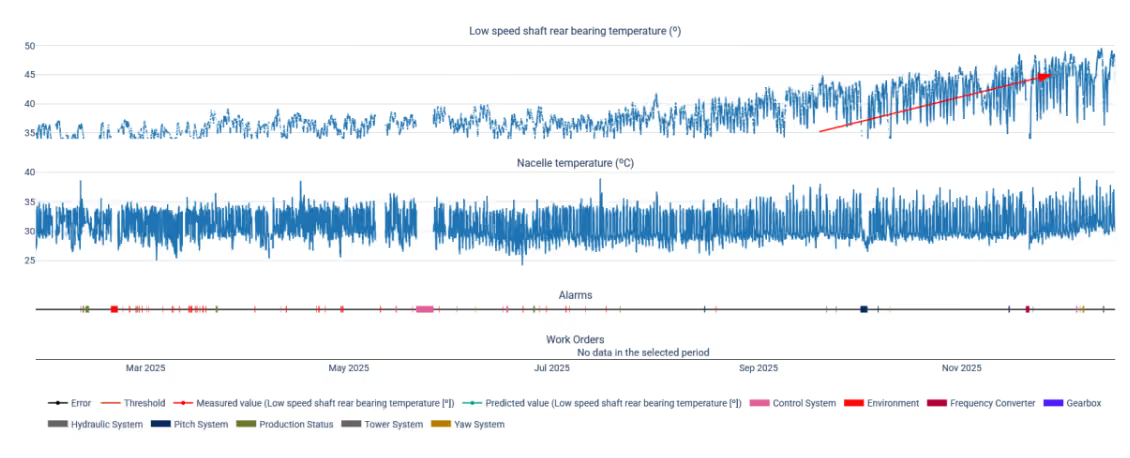
While machine shutdown alarms would only be triggered at 65°C (and warnings at 55°C), the turbine began to progressively drift away from its neighboring turbines within the sub-park. In November 2025, the rear bearing temperature of the low-speed shaft (Low Speed Shaft Rear Bearing) reached 50°C — the highest level recently recorded for the asset.
The risk was critical, since the low-speed shaft bearing is a major component. Operating with hidden degradation could lead to a severe failure, requiring full replacement of the bearing or the gearbox, implying high crane costs and long downtime.
Implemented Solution
The Performance Engineering team used the Delfos platform to transform raw data into a diagnosis through a multilayer approach:
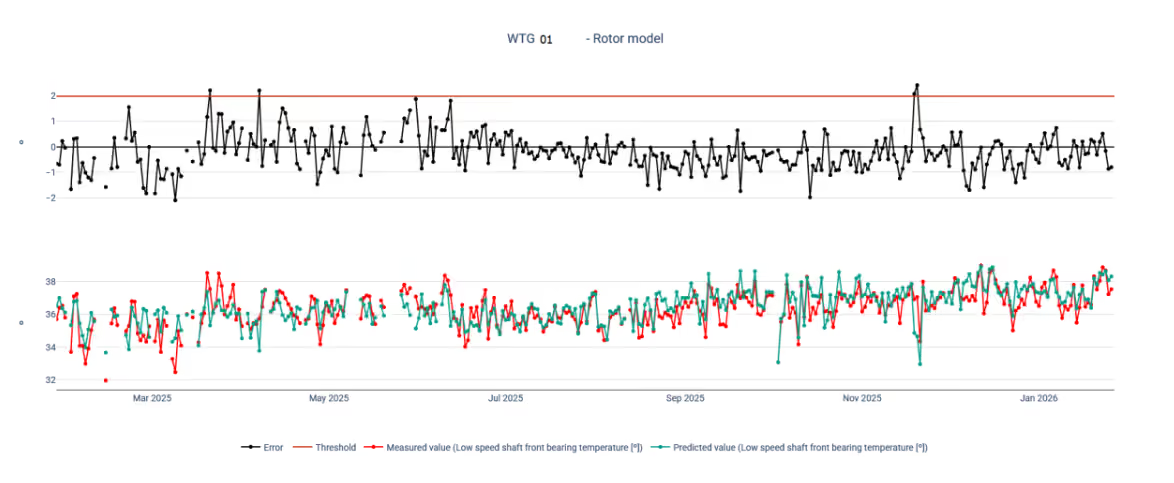
- Prediction and Deviation Analysis Module: The system identified that, although the front bearing temperature was normal, the rear bearing showed a consistent upward trend since August, deviating from the expected mathematical model;
- Comparative Analysis: Using neighboring-turbine comparison charts, it became clear that the asset had hidden damage, operating at temperatures significantly above the sub-park average (which remained stable below 40°C);
- Event Correlation: The analysis cross-referenced the temperature increase with recent “LSS noise” warnings, reinforcing the physical-damage hypothesis and ruling out a mere sensor error.
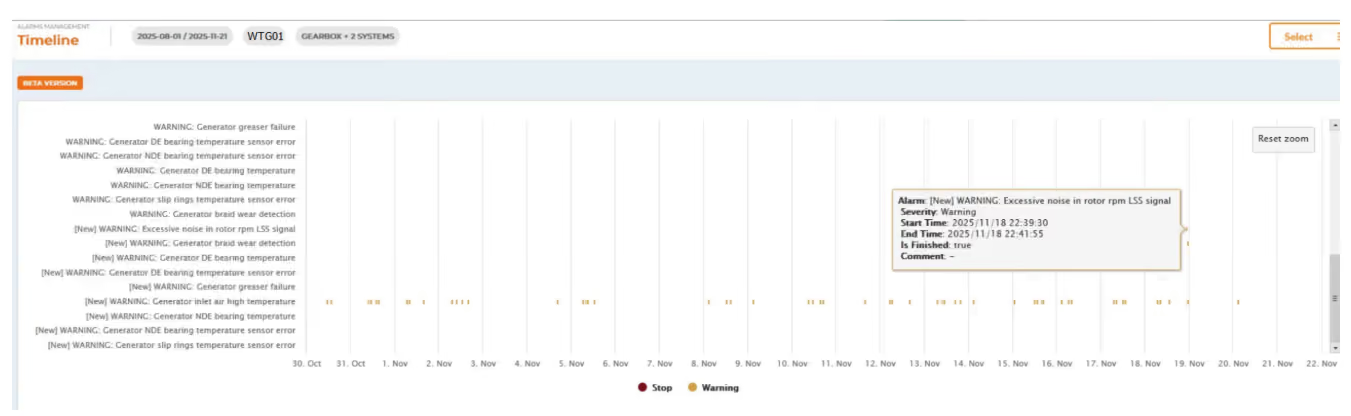
Based on this evidence, a technical report was issued recommending immediate physical inspection—well before any SCADA action would take place.
Results Achieved
The accuracy of the digital diagnosis performed by the Performance Engineering team using Delfos platform analyses guided the field team directly to the issue, generating immediate operational and financial outcomes:
- Root Cause Identified: Visual inspection confirmed damage on the outer race at the rear side of the bearing—a mechanical failure previously unknown to the O&M team;
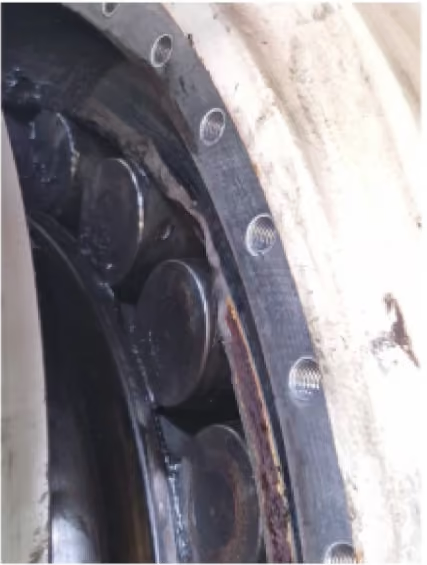
- Effectiveness of the Mitigation Action: With the diagnosis in hand, the team performed a strategic emergency lubrication. Post-intervention monitoring via Delfos confirmed an immediate 4.5°C reduction in operating temperature;
- Strategic and Financial Benefit: The temperature reduction moved the machine away from the warning (55°C) and trip (65°C) thresholds. This allowed the turbine to keep operating and the component replacement to be scheduled for an appropriate maintenance window, avoiding revenue loss from an immediate forced shutdown.
Conclusion
This case highlights the value of prescriptive maintenance over reactive maintenance. If operations relied only on SCADA alarms (configured at 55°C/65°C), the failure would have progressed silently until a breakdown or forced shutdown. Delfos anticipated the critical scenario by months (starting with the alert in August), enabling control of the degradation, extending the service life of the damaged component through lubrication, and ensuring asset availability until the definitive repair.
Key Data
- 4.5°C temperature reduction after the data-guided mitigation action;
- ~50°C was the peak identified preventively (far from the 65°C trip, but still indicative of failure);
- Accurate diagnosis: Outer race damage identified without the need for prior disassembly;
- Financial loss prevention: As a reference, in a comparable case where the turbine did not receive the same mitigation attention, the loss associated up to the LSS bearing replacement was approximately 3,300 MWh. Considering an average energy price of around R$ 200/MWh (which may vary by contract), this represents about R$ 660,000;
- 3 months of lead time: From the first predictive signal (August) to the critical peak (November), the system monitored the failure evolution.
Book a meeting
Let's connect and forge new partnerships
Custom Renewable Energy Solutions
Contact us today and join global operators who recovered up to 10% revenue and cut downtime by 18%