
Recovery of 84.75 MWh with Identification of Hidden Limitation Due to Temperature Sensor Failure

Context
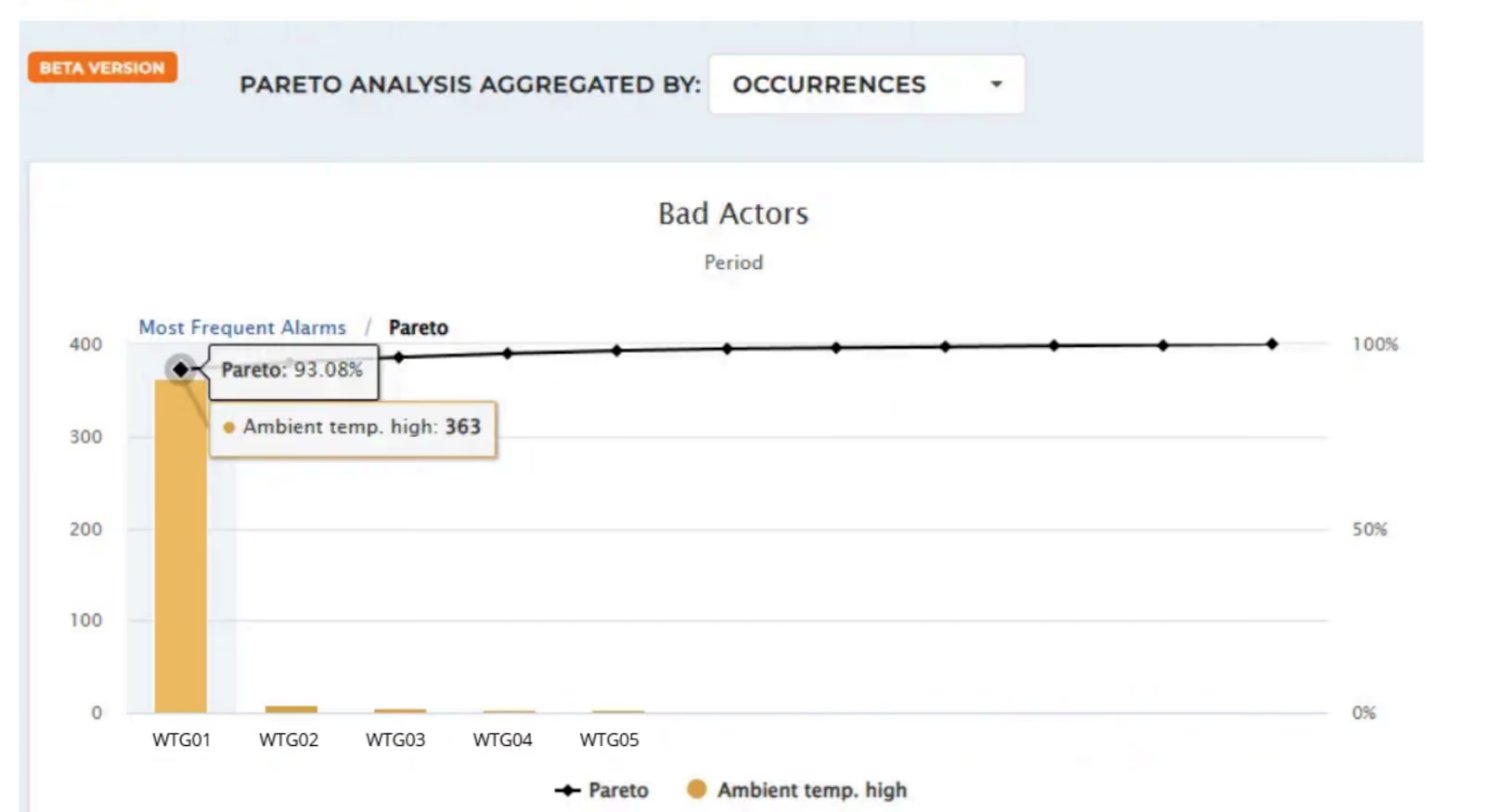
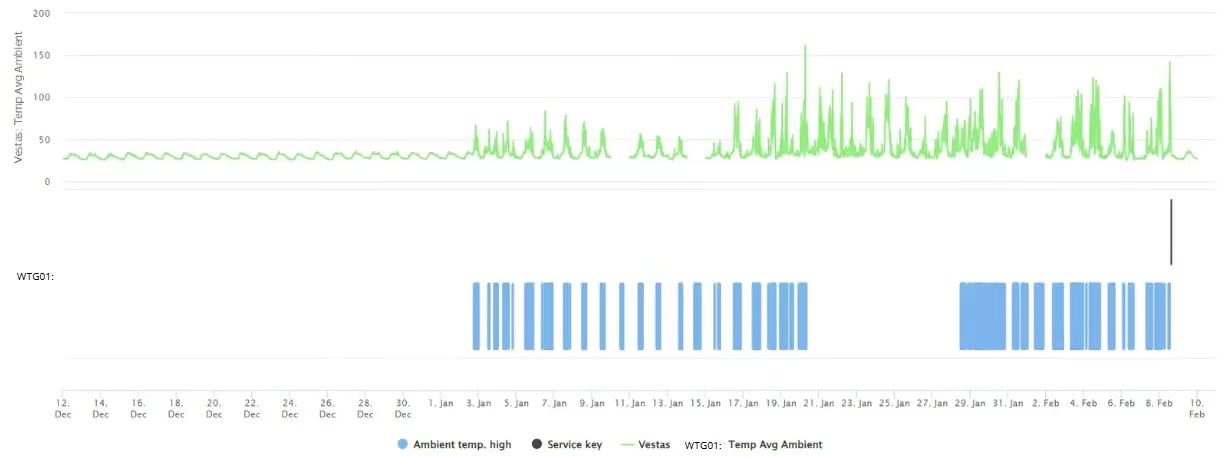
In January 2025, the Vestas WTG01 turbine showed high intermittence of high ambient temperature warnings (Ambient temp. high). In this month alone, 363 occurrences of this event were recorded (according to the monitoring graph below). Although temperature fault warnings and sensor measurement errors are common in wind operations, the frequency and recorded values (peaks exceeding 100 °C) indicated a physical, rather than environmental, anomaly.
The severity of the problem increased when the turbine began recording shutdowns due to the "PT100 fault ambient" alarm, indicating a failure of the ambient temperature sensor board.
Implemented Solution
Using Delfos' data intelligence, the technical team correlated the alarms with performance data to diagnose the root cause and quantify the losses.
- Alarms Management Module: Identification of the high volume of occurrences via Pareto Analysis, isolating "Ambient temp. high" as the main offender (93% of occurrences);
- Data Studio Module (Timeseries): Cross-referencing alarms with the ambient temperature variable, confirming readings above 100 °C, which validated the hypothesis of a sensor failure;
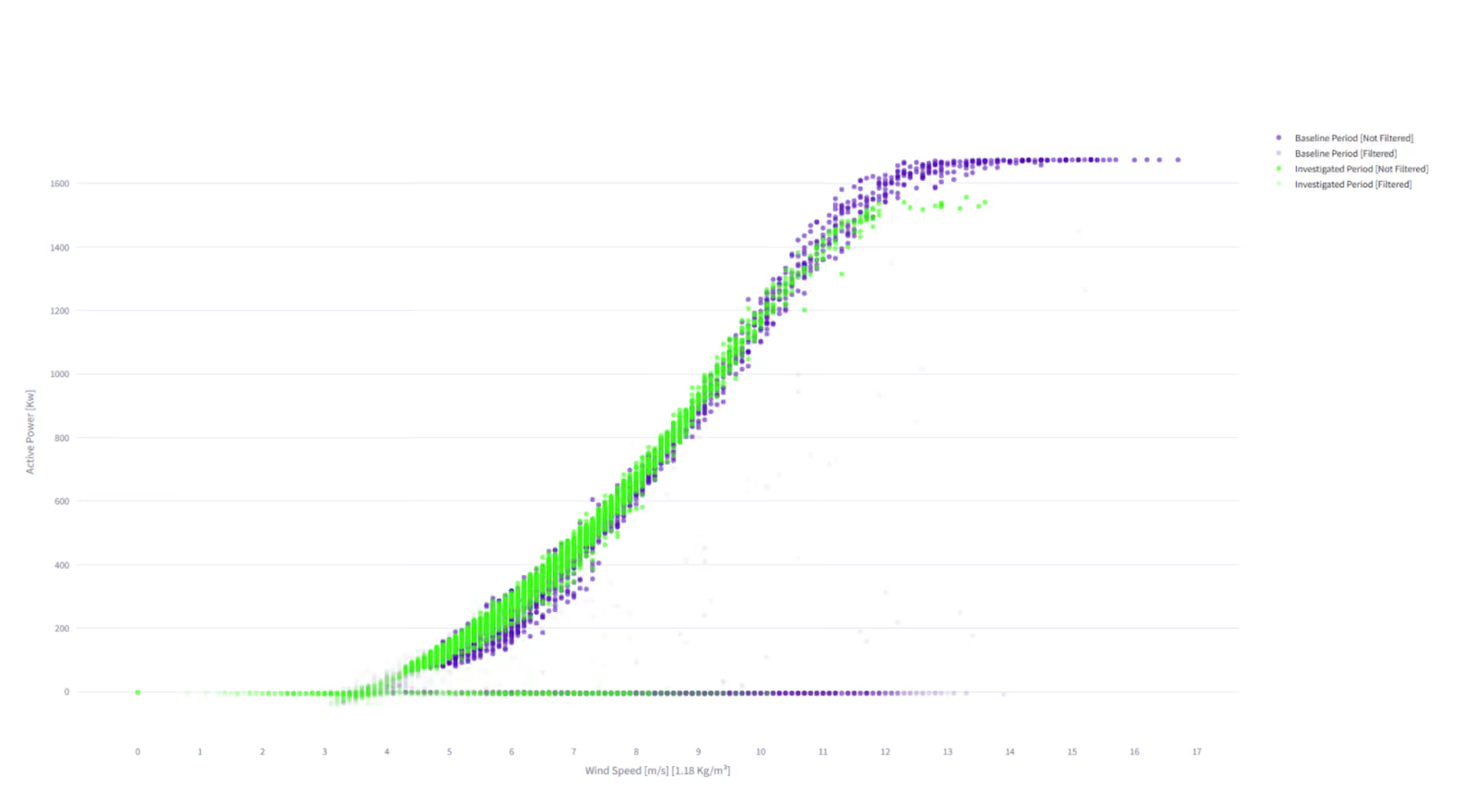
- Power Curve Analysis: Comparison of the power curve during the fault period (limited) versus a base period (normal). The visualization evidenced the "cut" in generation near the knee of the curve, characteristic of the high ambient temperature warning identified in the V80 model.
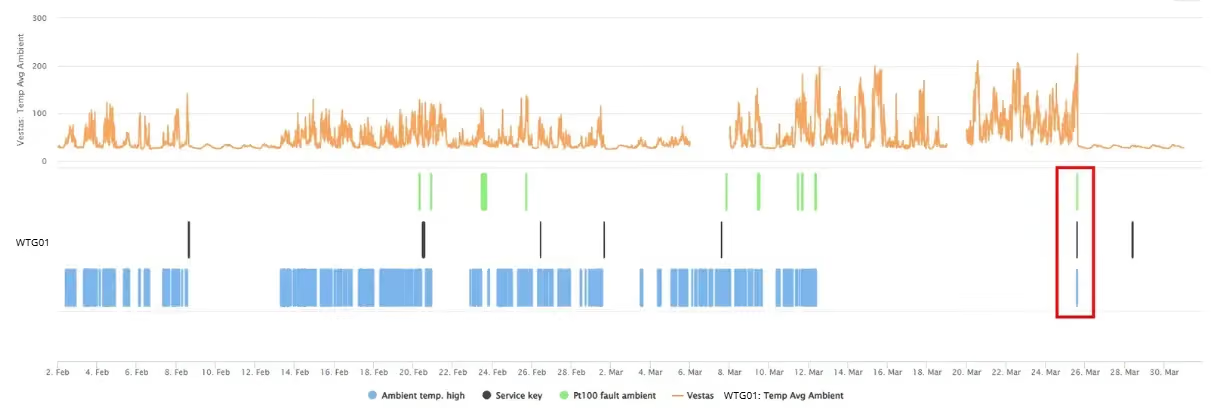
Based on this precise diagnosis, an unscheduled maintenance intervention was recommended and carried out on March 25, 2025, to replace the damaged PT100 sensor.
Achieved Results
The intervention based on Delfos' analysis resulted in the immediate normalization of the reported ambient temperature and the cessation of alarms and shutdowns. The quantification of losses avoided future damages and justified the rapid intervention:
- Total Frustrated Energy Identified: ~84.75 MWh.
- Of this total, 83 MWh were lost due to the silent power limitation;
- 1.18 MWh were lost directly due to the shutdowns caused by the sensor alarm.

After the replacement of the PT100, the power curve returned to normal, eliminating the generation restriction.
Conclusion
This case demonstrates that apparently routine alarms can hide significant generation losses due to automatic control limitations and/or frequencies where sensor failures are ignored. The ability of the Delfos Technical Team to cross-reference alarm data (Alarms Management) with time series and power curves allowed the identification of not only the component failure but a "hidden loss" of more than 83 MWh that would have gone unnoticed if only machine shutdowns were accounted for. The corrective action restored the asset's full generation capacity.
Insights
- 84.75 MWh of total energy recovered/identified as loss;
- 363 occurrences of high temperature warning in a single month;
- 100°C was the reading identified by the system, diagnosing sensor failure;
- 100% normalization of temperature and power after the intervention.
Book a meeting
Let's connect and forge new partnerships
Custom Renewable Energy Solutions
Contact us today and join global operators who recovered up to 10% revenue and cut downtime by 18%