
Nordex WTG Model: Transforming a Thermal Deviation into a New Predictive Model
Context
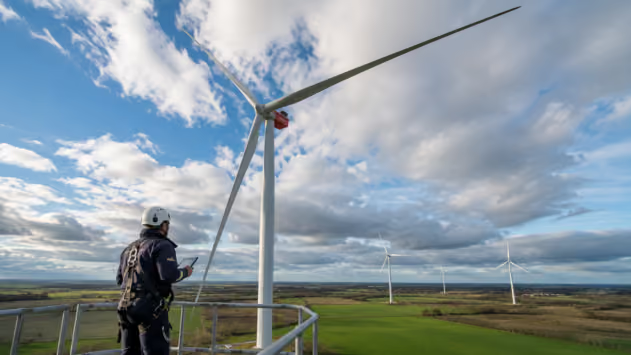
In a wind turbine (Model Nordex N163) operated by one of our partner clients, operations began to be impacted by intermittent failures. The machine started recording a high volume of temperature failure occurrences in the Pitch 1 system converter.
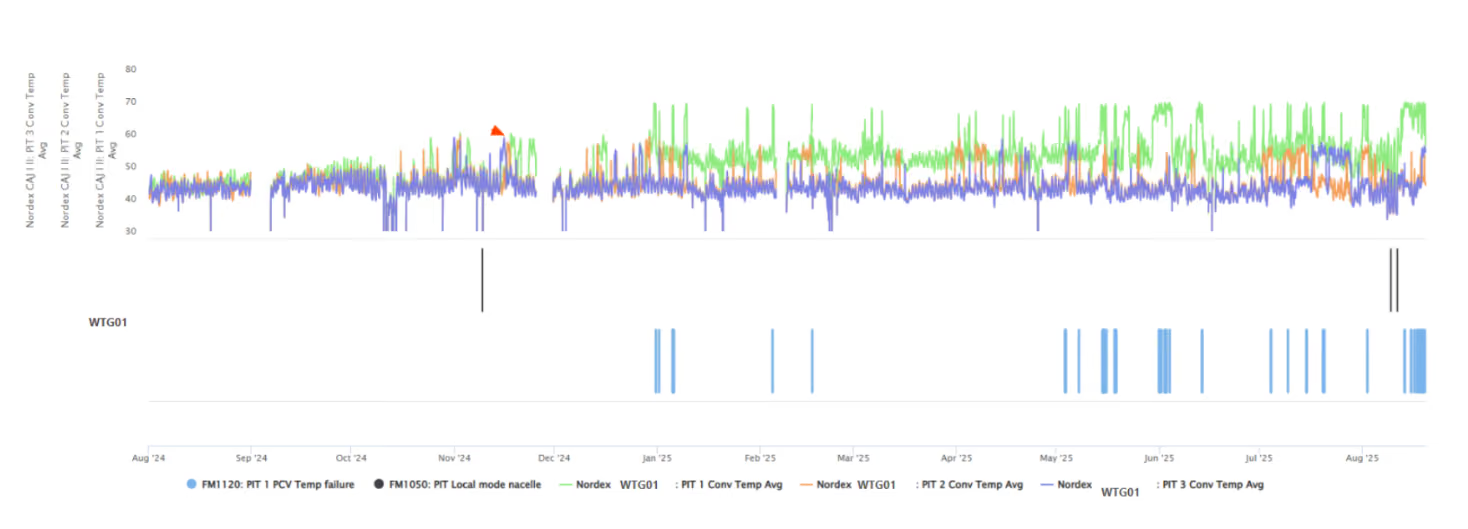
Over the months, these failures generated thermal peaks that reached up to 70 °C in the component, forcing the turbine to perform automatic protection shutdowns.
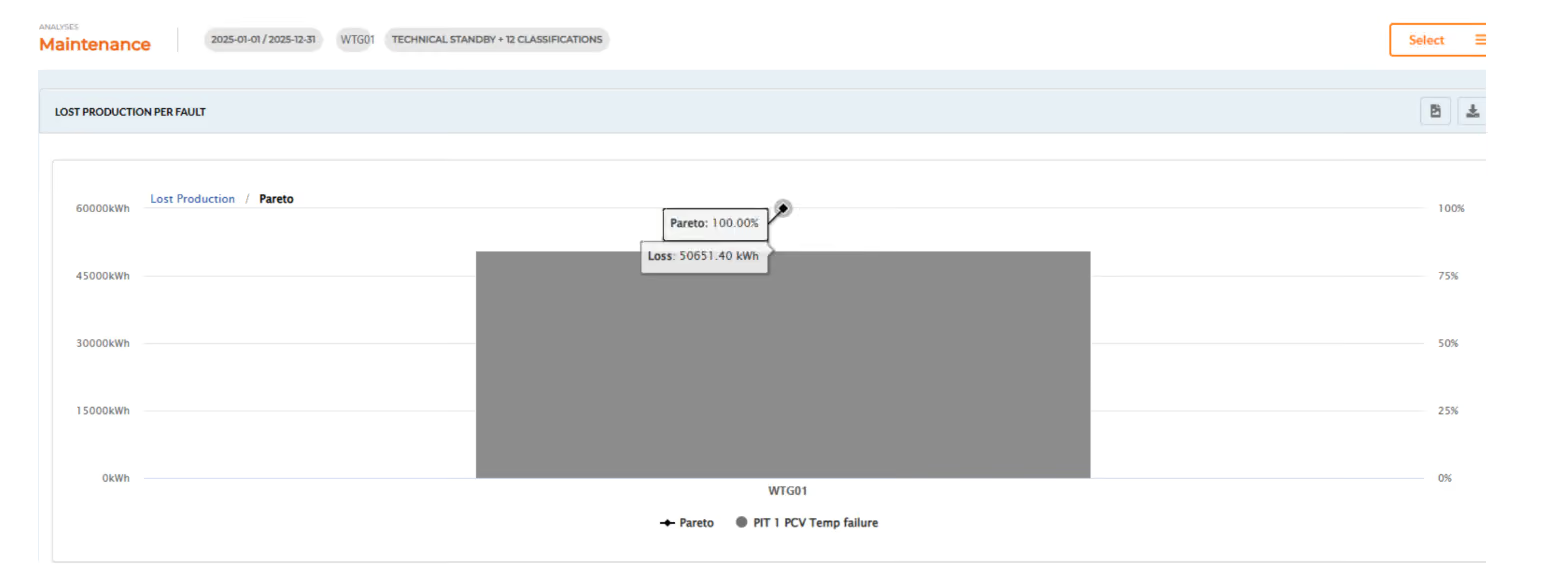
During the year 2025, the persistence of this overheating behavior and repeated unavailabilities resulted in an accumulated loss of 50.6 MWh of frustrated energy.
Implemented Solution
To isolate the problem and direct the field team with precision, Performance Engineering used the platform's analytical modules:
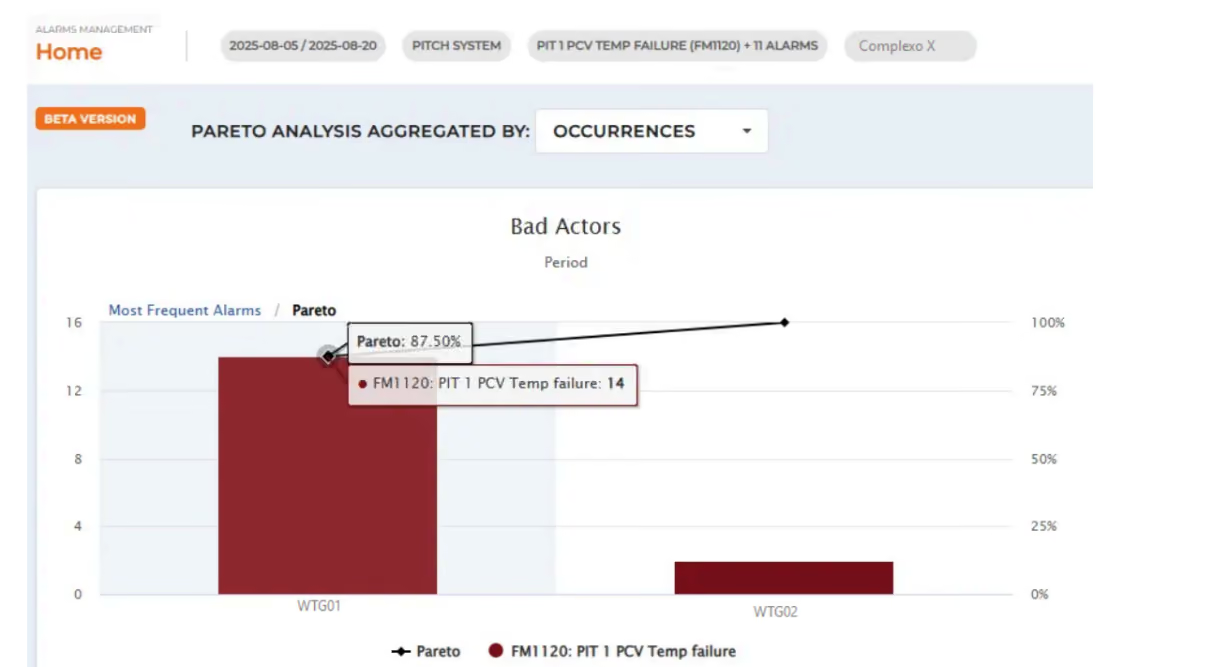
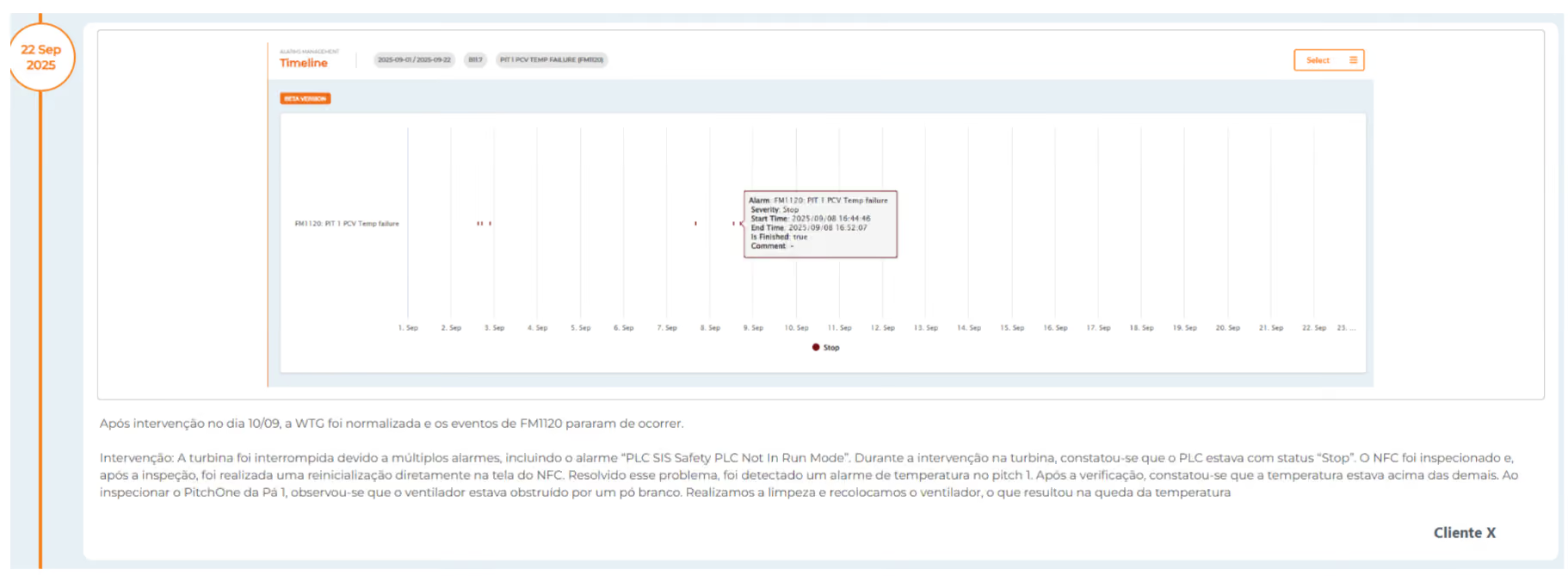
- Offender Mapping (Alarms Management): the tool isolated the PIT 1 PCV Temp failure (FM1120) alarm, which represented 87.5% of occurrences in the analyzed period, confirming it as the root cause of the asset's shutdowns.
- Thermal Correlation (Data Studio): exploring the temperature variables of the pitch converters, the platform visually correlated the intermittent thermal peaks of 70 °C (from Pitch 1) with the exact moments of the machine's forced shutdowns.
- Directed Field Action: on September 10, 2025, armed with the Delfos diagnosis, the maintenance team inspected the system and found the physical cause of the problem: the Pitch 1 cooling exhaust fan was physically blocked by an accumulation of white powder. The team cleaned the system and reinstalled the fan, which resulted in a drop in temperature.
How Delfos Acted
This case perfectly illustrates the practical application of 2 important functionalities of the Delfos platform in the wind segment:
- Alarms Management: was used to identify that alarm FM1120 was the primary offender responsible for nearly 90% of shutdowns.
Why it is important: wind turbines generate thousands of generic alerts that take a long time to process manually. The Delfos module solves this by classifying events based on their impact on lost energy due to downtime. From this classification (such as Pareto Analysis), the O&M manager gains instant visibility and knows exactly where to concentrate maintenance efforts, optimizing field resources.
- Failure Prediction (Prediction Module): was used after the diagnosis. The Delfos platform used the event data to train a Machine Learning model capable of tracking temperature deviations in pitch converters and triggering future alerts.
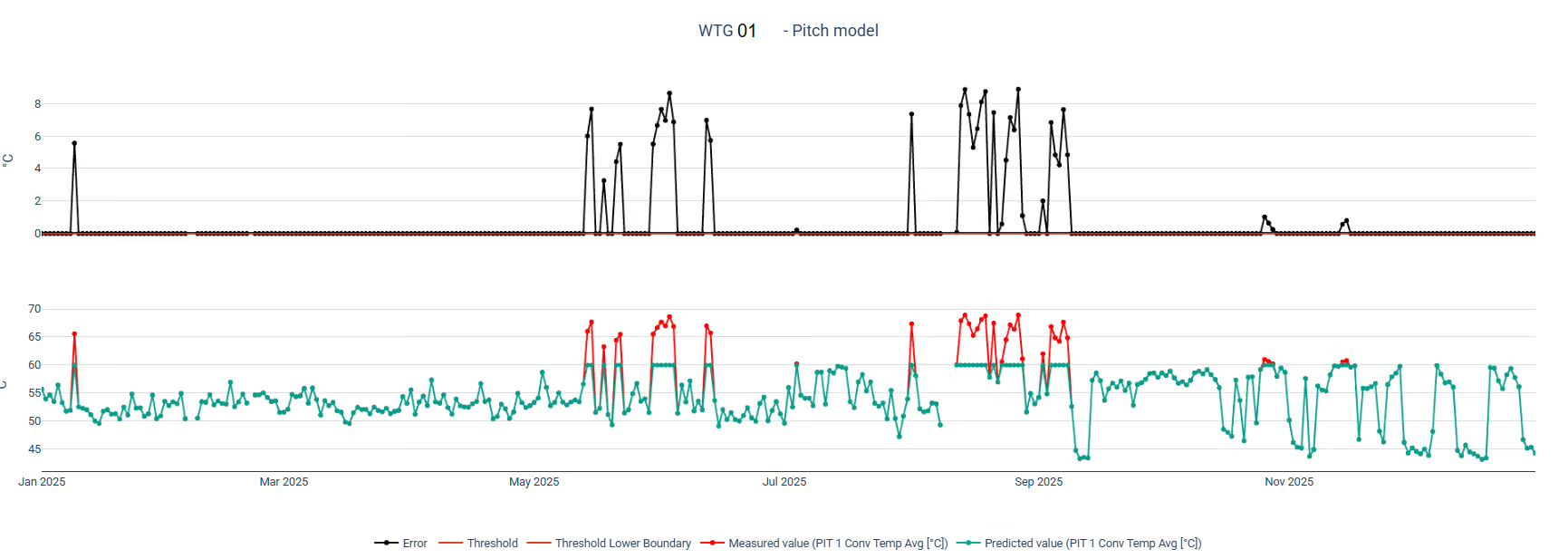
Why it is important: predictive maintenance is the core of Delfos Gen™. The module works by learning normal operational behaviors for each component, generating an ideal predicted value. The system continuously calculates the error between measured and predicted values and, if the predetermined threshold is exceeded, a prediction alarm is generated. This technology transforms the operation, allowing action on anomalies (such as an exhaust fan obstruction) preventively, avoiding prolonged downtime and protecting asset revenue.
Achieved Results
The intervention, based on data intelligence, converted a chronic and intermittent problem into a simple and fast maintenance solution:
- Thermal Normalization: immediately after cleaning and replacing the filter, the temperature of the Pitch 1 converter showed a significant drop, returning to a safe level (close to 40 °C) and aligning with the temperature levels of the other blades (Pitch 2 and 3).
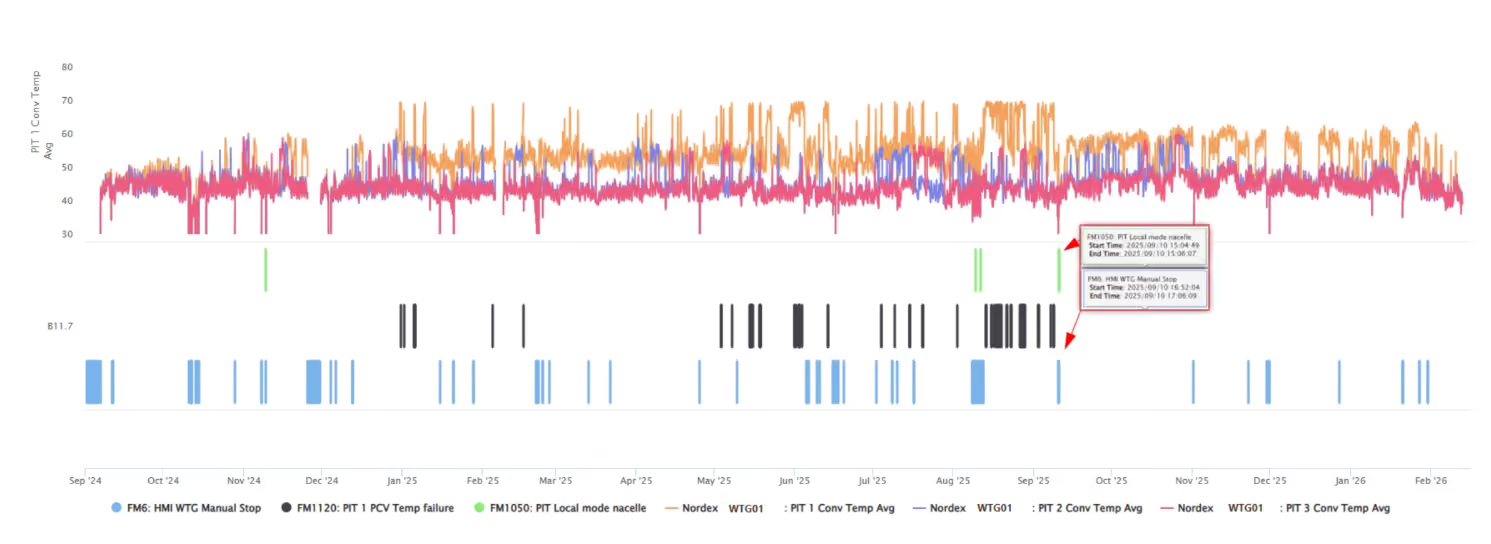
- End of Forced Shutdowns: the elimination of overheating completely stopped the FM1120 alarm events, stemming the source that had already caused 50.6 MWh in production losses that year.
- Development of Continuous Intelligence: using this event as a learning base, the Delfos Team developed a predictive model dedicated exclusively to pitch converters. This new model now monitors temperature peaks and triggers predictive alerts upon reaching a critical limit, ensuring the anticipation of similar obstructions in other turbines before they generate downtime.
Key Data
- 50.6 MWh was the accumulated loss due to intermittent shutdowns, stopped after maintenance.
- 87.5% dominance of the thermal alarm in the Pareto, guiding the technical team's focus.
- 70 °C were the critical temperature peaks caused by the exhaust fan obstruction.
- Systemic Prevention: Creation of a new specific prediction algorithm to protect pitch converters across the entire fleet.
Book a meeting
Let's connect and forge new partnerships

Custom Renewable Energy Solutions
Contact us today and join global operators who recovered up to 10% revenue and cut downtime by 18%